If you’re new to regular walking or have struggled with sore feet, blisters, or fatigue, this guide is for you. It breaks down the anatomy of your foot and the mechanics of walking so you can understand why certain shoe features matter.
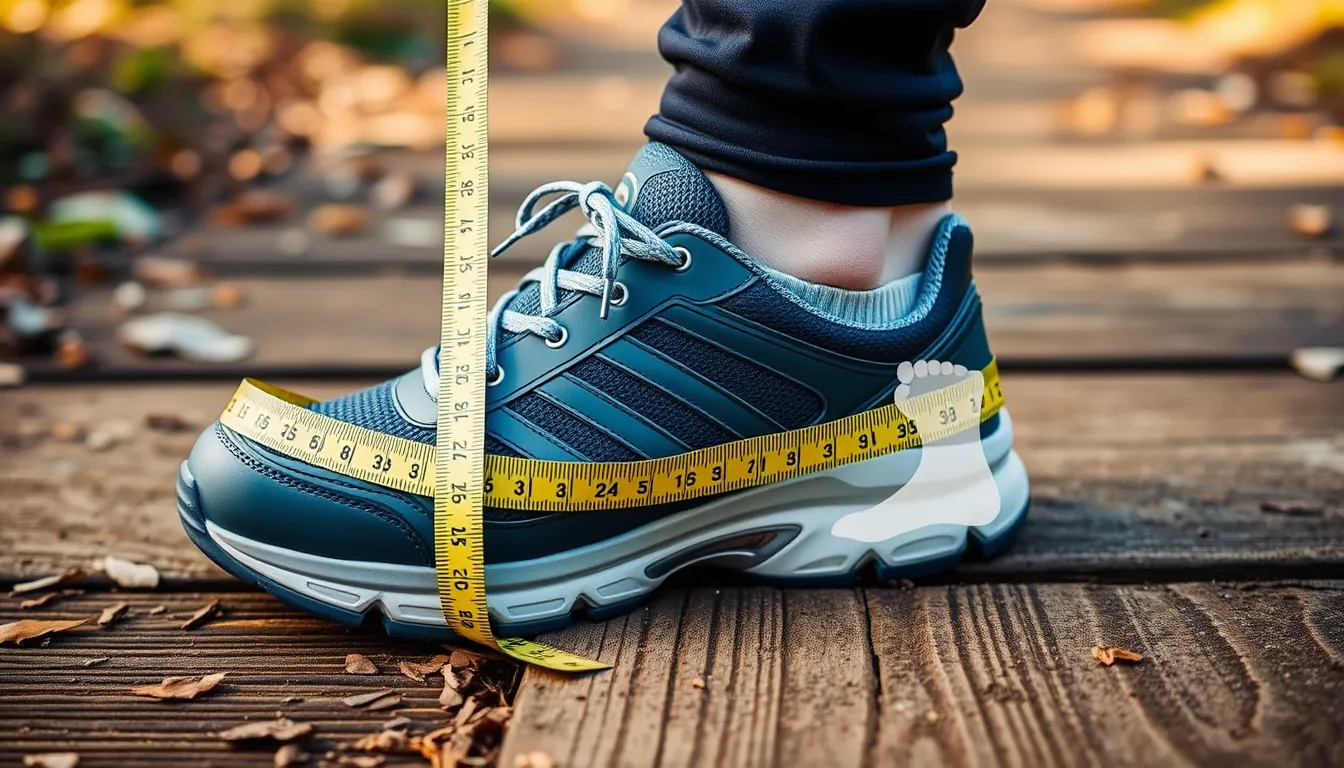
By following the step‑by‑step process, you’ll learn how to measure foot length and width, identify your arch type, and evaluate heel drop, midsole cushioning, and outsole traction. You’ll also get practical tips for trying shoes on, testing fit, and keeping them comfortable longer.
With this knowledge you can shop confidently and enjoy walking without pain.
Understanding the Basics of Walking Shoe Fit
When you learn how to Choose Comfortable Shoes for Walking, the first reality to accept is that a shoe’s shape dictates how your foot will behave over miles. A shoe that is too short forces the toes to jam against the front, limiting natural toe splay and creating pressure points that quickly turn into blisters or joint pain. The rule of thumb is to leave roughly a thumb’s width—about a half‑inch—between the longest toe and the shoe’s inner wall. This tiny gap gives the toes room to spread during each stride without sacrificing control.
Width is equally critical. Shoes that are too narrow compress the forefoot, especially the ball of the foot, while overly wide models allow the foot to slide side‑to‑side, reducing stability. Look for a snug but non‑restrictive feel across the midfoot; the shoe should hug the foot without pinching.
Walking is a dynamic activity, and your foot expands up to 1 % in length and widens slightly as weight shifts forward. This “dynamic fit” means the shoe must accommodate both the static measurement you take while standing and the extra space needed when the foot rolls forward during motion. A shoe that feels perfect when you stand may feel tight once you start moving, so consider a slight allowance for this natural expansion.
Evaluating Your Foot Shape and Arch Type
Knowing your Foot width and Arch type is the next step in learning how to Choose Comfortable Shoes for Walking. A quick “wet‑foot” test works at home: wet the sole, step onto a piece of paper or a brown paper bag, and observe the imprint. A full, continuous line indicates a low arch, a distinct arch shape shows a neutral arch, and a narrow band along the heel and ball points to a high arch.
To gauge Foot width, trace the outline of each foot on a sheet of paper while standing. Measure the distance across the ball of the foot; the larger measurement is your width. Compare it to the width labeling on shoe interiors (often marked as narrow, medium, wide) to ensure a proper match.
How each arch type affects support needs:
- Low arch: tends to overpronate, so look for shoes with firm midsole cushioning and a supportive outsole traction pattern that guides the foot.
- Neutral arch: benefits from balanced cushioning and moderate stability; most walking shoes meet this profile.
- High arch: under‑absorbs impact, so prioritize generous cushioning and a flexible outsole that allows natural roll‑through.
If your imprint shows extreme pronation or supination, or if you experience persistent foot fatigue, a custom insole can fill the gap between your foot’s shape and the shoe’s built‑in support. A professional fitting can tailor arch support, heel cup depth, and even adjust the heel drop to match your gait, providing a personalized solution when off‑the‑shelf options fall short.
Key Features to Look for in Walking Shoes
When you move from a custom insole to the shoe itself, the design details become the next line of defense against fatigue. Understanding each element helps you answer the question “How to Choose Comfortable Shoes for Walking” without trial‑and‑error.
- Cushioning material – EVA, PU, or blended foams absorb impact differently. Soft foams feel gentle on short, urban strolls, while denser midsoles retain their shape on longer distances or uneven surfaces, reducing the “bottom‑out” sensation after many miles.
- Heel drop – The vertical distance between heel and forefoot influences stride mechanics. A modest drop (6–8 mm) encourages a natural rolling motion for most walkers; a lower drop can promote a mid‑foot landing that feels steadier on hills or trails.
- Arch support – Built‑in shanks or molded footbeds work with your arch type. Low arches benefit from a firmer, structured support that limits excessive pronation, while high arches prefer a more cushioned, flexible arch panel to prevent pressure points on long walks.
- Toe box shape – A roomy, slightly rounded toe box accommodates foot swelling that occurs after extended walking and prevents bruising on uneven terrain.
- Outsole flexibility – A segmented or split outsole bends with the foot, allowing smooth transitions on pavement and offering enough grip on gravel or grass without sacrificing stability.
- Breathability – Engineered mesh or perforated uppers move air across the foot, keeping moisture low during hot days or multi‑hour treks, which directly translates to less friction and fewer hot spots.
By matching these features to the distance you plan to cover and the terrain you’ll encounter, you create a personalized comfort profile that goes far beyond a simple size check.
Practical Tips for Trying Shoes On and Assessing Fit
Transitioning from understanding features to actual fit requires a disciplined testing routine. Start by wearing the exact socks you intend to use for walking, as thickness directly impacts internal volume. Visit the store later in the day when your feet have naturally expanded from daily activity. This ensures the shoe accommodates your maximum foot size, preventing tightness during long walks.
Stand on a hard surface or treadmill to simulate real-world pressure distribution. Focus on two critical checkpoints. First, examine the heel. Your heel should sit firmly in the cup without lifting when you walk. Significant slippage creates friction blisters and indicates the shoe is too wide or the heel counter is too soft. Second, assess toe room. You should be able to wiggle your toes freely, and there should be enough space at the front so your toes do not press into the toe box when descending slopes.
If purchasing online, rely on detailed size charts rather than brand-specific sizing, which varies widely. Measure both your foot length and foot width in centimeters or inches and compare them to the manufacturer’s specific data. Prioritize retailers with clear return policies that allow try-outs at home. Once delivered, repeat the fitting routine: check heel stability and toe clearance while wearing your walking socks. If the fit feels snug but not painful, take a short indoor walk to test midsole cushioning response and outsole traction on smooth flooring before committing to the pair.
Maintaining Comfort and Extending Shoe Life
New shoes require a gradual adjustment period to allow the materials to conform to your foot shape. Start by wearing them for short durations indoors or on short outdoor walks, gradually increasing the distance over a few weeks. This breaks in the midsole cushioning and upper fabric without causing blisters or hot spots. Avoid wearing brand-new walking shoes for long distances immediately, as this accelerates wear and increases the risk of injury.
Rotating between at least two pairs of shoes is essential for longevity. Different days of wear allow the midsole cushioning to recover its full volume and density. Constant compression in a single pair flattens the foam, reducing its shock-absorbing capability. By alternating pairs, you ensure each set has sufficient time to rebound, maintaining consistent support for your arch type and heel drop preferences.
Regular maintenance preserves outsole traction. After each walk, brush off mud, gravel, and debris from the tread pattern. Caked-on dirt fills the grooves, effectively smoothing the surface and reducing grip on wet or uneven terrain. Damp wipes can remove sticky residue that diminishes friction. Inspect the outsole periodically; if the tread pattern is worn smooth in high-impact areas like the heel or forefoot, traction will fail before the sole separates entirely.
Finally, monitor the internal structure for signs of degradation. If the midsole feels compressed, uneven, or no longer returns to its original shape after stepping, the cushioning has failed. Similarly, if the upper fabric sags or the heel counter becomes soft, the shoe can no longer provide the stability needed for proper alignment. When comfort diminishes despite proper break-in, or when structural support weakens, it is time to replace the pair to prevent strain on your joints.